IPL Photofacial in Markham
IPL may help improve suitable brown spots, visible redness and uneven tone. Your skin type, recent sun exposure, health history and goals are assessed before treatment is recommended.

What is an IPL photofacial?
Intense pulsed light (IPL) delivers filtered, broad-spectrum light to the skin. Unlike a laser, IPL uses a range of wavelengths. Depending on the filter and settings, the light can be absorbed by brown pigment or visible blood vessels, allowing the body to gradually clear the treated targets.
IPL is not a universal solution for every pigment or redness concern. Melasma, active skin conditions, recent tanning and some medications can change the risk or make another option more appropriate. A consultation is used to identify the concern before a treatment plan is proposed.
Not sure how the technologies differ? Read our guide to IPL vs laser skin treatment.
Adults seeking improvement in suitable sun-related brown spots, visible facial redness or uneven tone. Skin type, tanning, medications, medical history and the exact concern are reviewed first.
IPL is commonly planned as a series, not a guaranteed one-session result. Session count and spacing depend on the concern, response, skin type, device settings and treatment area.
What to expect before and after IPL
Before treatment, the clinic reviews recent sun exposure, skincare, medications, photosensitivity and any history of pigment changes. Treatment settings must be selected for the person’s skin and target. Protective eyewear is required during light-based treatment.
Temporary redness, warmth or swelling may occur. Brown spots can look darker before they fade, and some people experience mild crusting. Less common but important risks include blistering, burns, scarring and darker or lighter pigment. Follow the clinic’s individualized aftercare and sun-protection instructions, and contact the clinic if a reaction is more severe than expected.
Related signature programs
IPL / Photofacial is often part of a wider plan built around your goal.
Dark Spot & Pigmentation Program
For pigmentation, sun damage and uneven skin tone.
Explore program →Look younger. Your way.Face Rejuvenation Program
A complete plan for facial aging that may combine neuromodulators, filler, tightening, laser, skin boosters, biostimulators and regenerative treatments, sequenced around your goal and timeline.
Explore program →IPL photofacial questions
Is IPL the same as a laser?
No. IPL uses a range of filtered light wavelengths, while a laser uses a more specific wavelength. The most suitable technology depends on the concern, skin type and treatment area.
Who may be suitable for an IPL photofacial?
IPL may be considered for suitable brown spots, visible redness and uneven tone. Recent tanning, some medications, certain skin conditions and higher pigment-change risk can affect suitability, so an in-person assessment is required.
How many IPL sessions may be needed?
IPL is commonly planned as a series rather than a guaranteed one-session result. The number and spacing depend on the concern, response, skin type, device settings and treatment area.
What recovery can follow IPL?
Temporary redness, warmth or swelling may occur, and treated pigment can temporarily darken before it fades. Recovery varies, and the clinic provides individualized aftercare and sun-protection instructions.
What are the possible risks of IPL?
Possible effects include pain, redness, swelling, crusting, blistering, burns and darker or lighter pigment. Careful skin assessment, appropriate settings, eye protection and aftercare help reduce risk but cannot remove it.
Evidence and safety sources
This page is informed by Health Canada’s notice on energy-based device risks and a systematic review of IPL for skin rejuvenation. These sources provide general information and do not replace an individual assessment.
Related treatments

Fotona
Fotona is a versatile laser platform.
Learn more →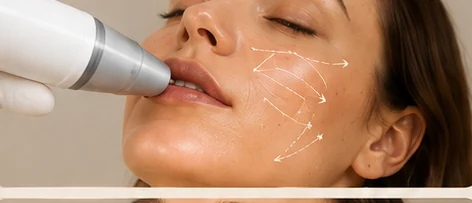
Fotona 4D
Fotona 4D treats the face in four steps: inside the mouth, then deep heating, fractional resurfacing and a superficial peel.
Learn more →Fotona Skin Resurfacing
Fotona resurfacing precisely removes micro-layers of skin to renew texture, soften fine lines and even out tone.
Learn more →Eight quick questions. One plan for you.
Area, concern, desired result, budget and timing. The clinic replies with suggested programs and payment choices.